The Employment and Inclusion Project. Disability and Illness in Society 5.0 takes its first steps towards public engagement through a debate on the inclusion of workers with disabilities in the labour market.
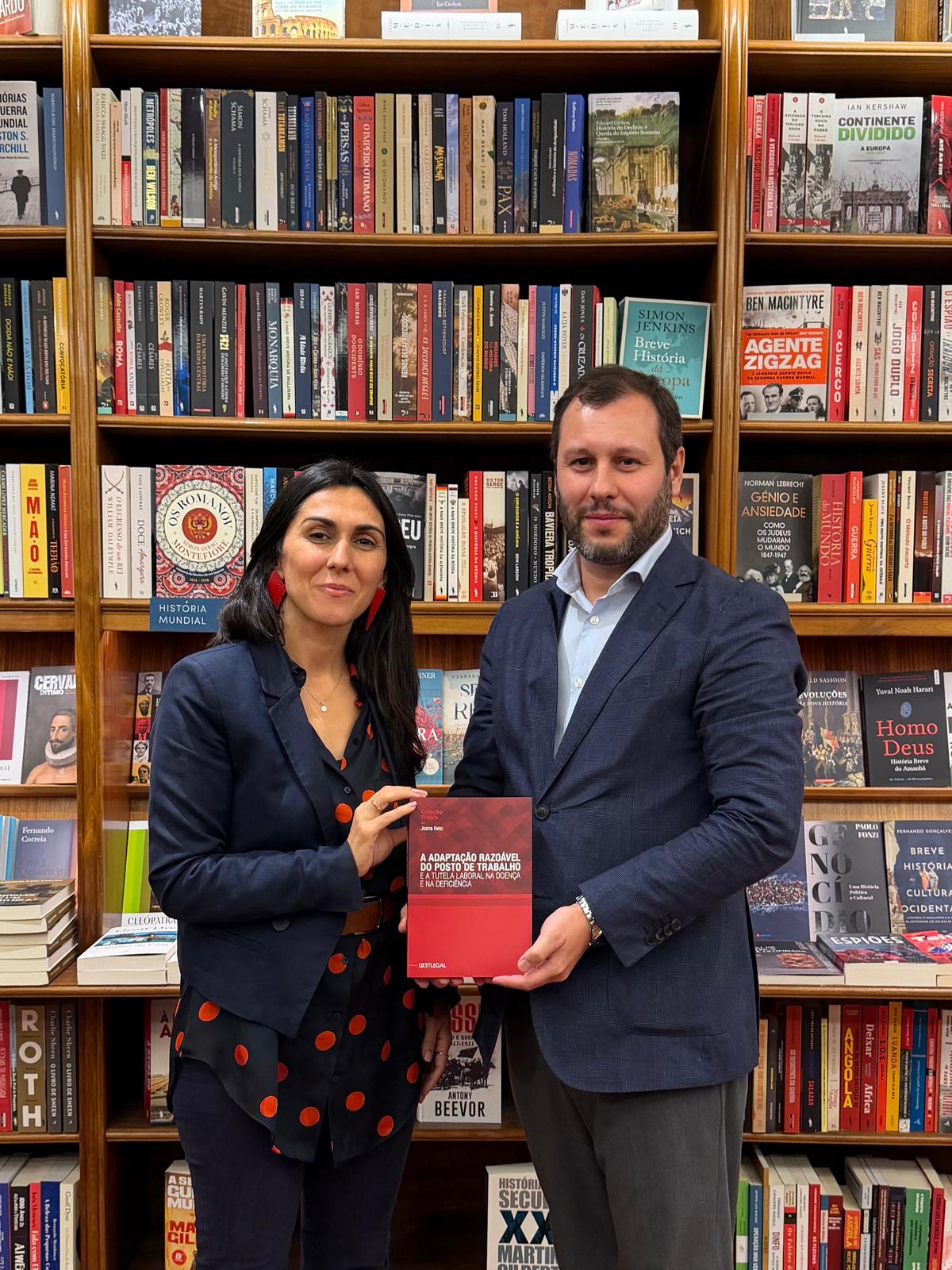
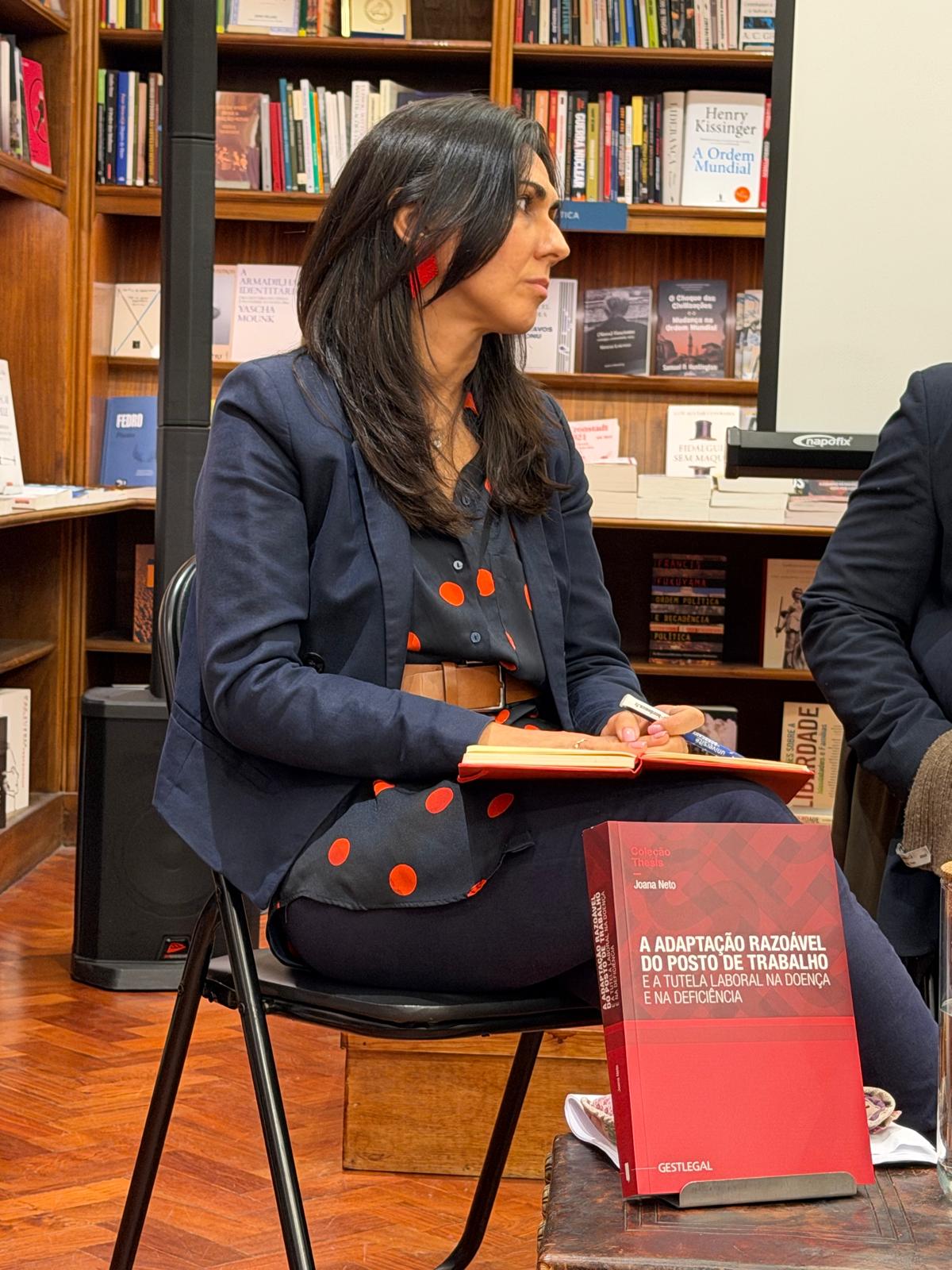
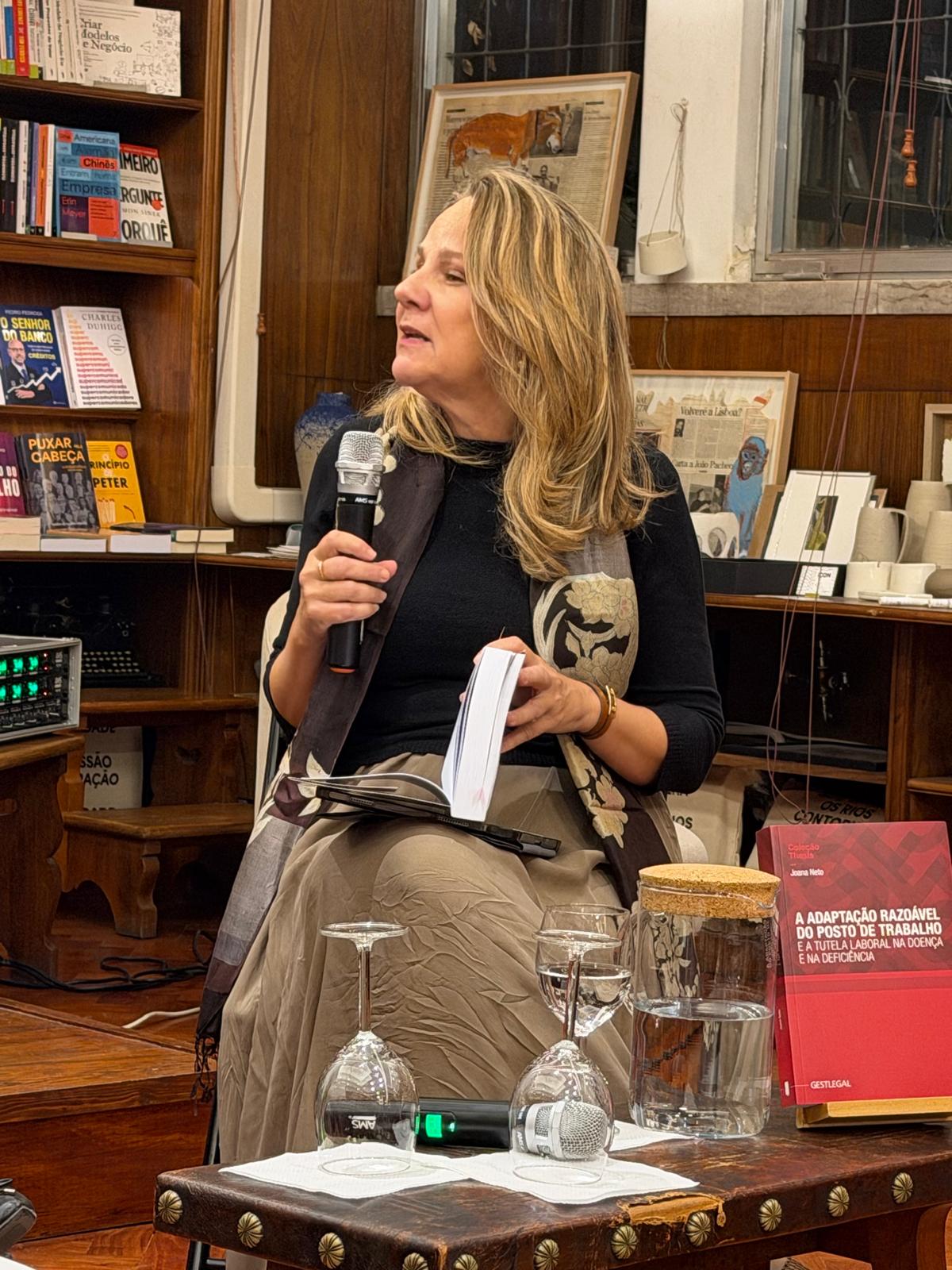
The book Reasonable Accommodation of the Workplace and Labour Protection in Cases of Illness and Disability, by Professor Joana Neto, provided the starting point for an event held on 26 October at Livraria Buchholz, in Lisbon, which brought together several speakers to present, analyse and debate the inclusion of persons with disabilities in the workplace.
The author, Joana Neto, is a lecturer at Universidade Lusófona – University Centre of Porto and an Integrated Researcher at CEAD – Francisco Suárez Centre for Advanced Legal Studies. Her research focuses on Labour Law, with particular emphasis on labour inclusion, namely that of workers with disabilities and illnesses. She is currently the Principal Investigator of the Employment and Inclusion Project. Disability and Illness in Society 5.0 – E&I.
The project, which supported the event, seeks to reflect on the challenges of labour inclusion in an increasingly technological society. Its research examines the role of technological innovation as a means of developing solutions and reducing physical barriers, while also considering how it may exacerbate discrimination and create additional risks to physical and mental health. In seeking possible solutions, the project aims to build bridges between law and civil society.
The event was moderated by Helena Alexandre, a trainer and consultant in Human Rights, Equality and Inclusion, and featured contributions from Diogo Martins, Paula Campos Pinto, Cristina Martins da Cruz and Bruno Santos. The book that inspired the event examines Portuguese legislation and the international legal framework, particularly the European framework, drawing on comparative legal analysis and exploring how these frameworks relate to the protection of workers with disabilities or illnesses and their right to reasonable accommodation in the workplace.
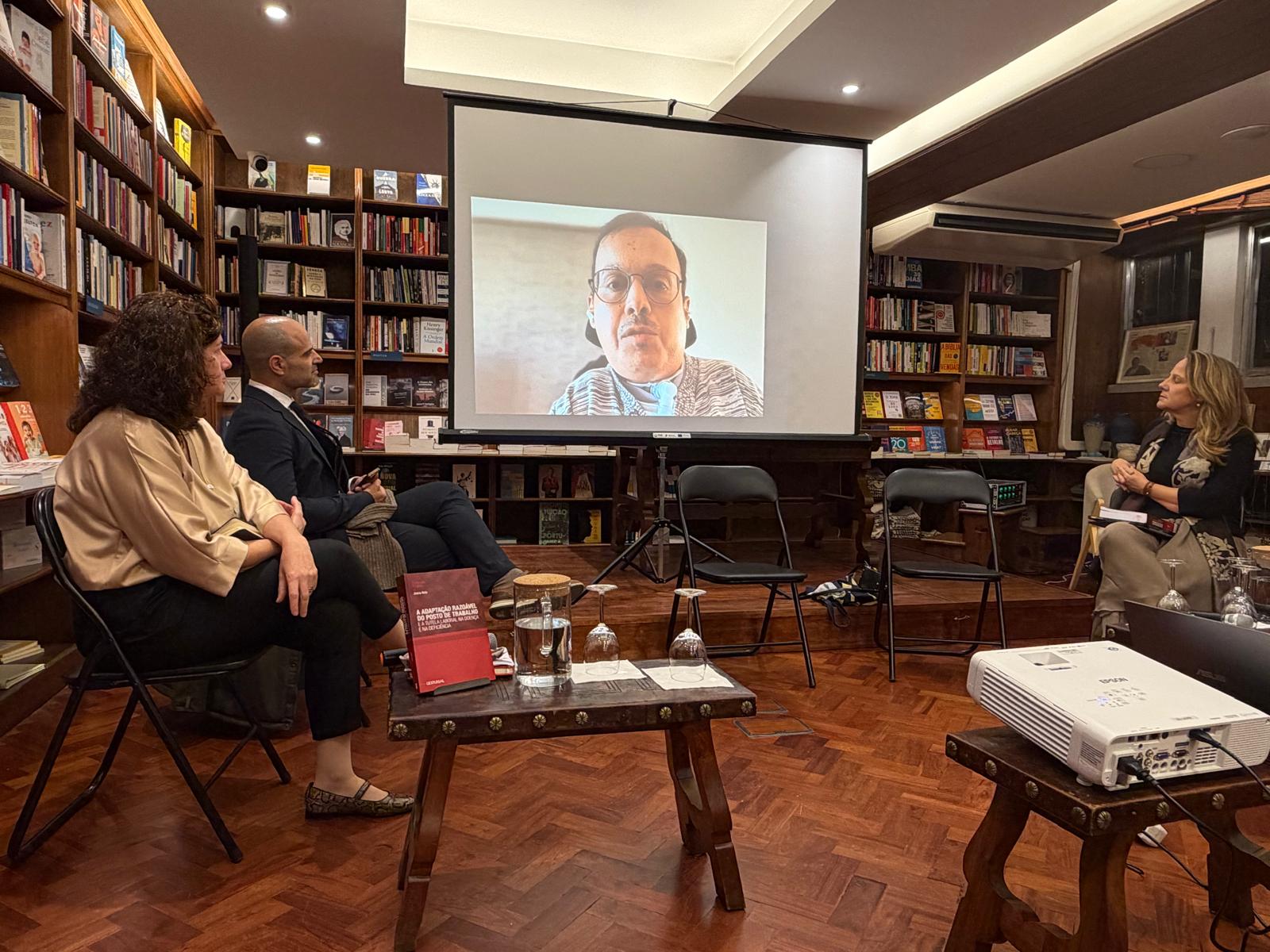
Diogo Martins, a specialist in Accessible Public Transport, dedicates his professional activity to building bridges between people and organisations, helping companies become more equitable and inclusive. Drawing on his own experience as a person with a disability, he offered a practical perspective on the difficulties faced by persons with disabilities when entering the labour market. He also discussed measures companies can adopt to ensure reasonable accommodation without incurring disproportionate costs, highlighting the importance of seemingly simple measures, such as the arrangement of office furniture. His contribution was delivered through a video presentation, in view of the physical accessibility constraints of the venue.
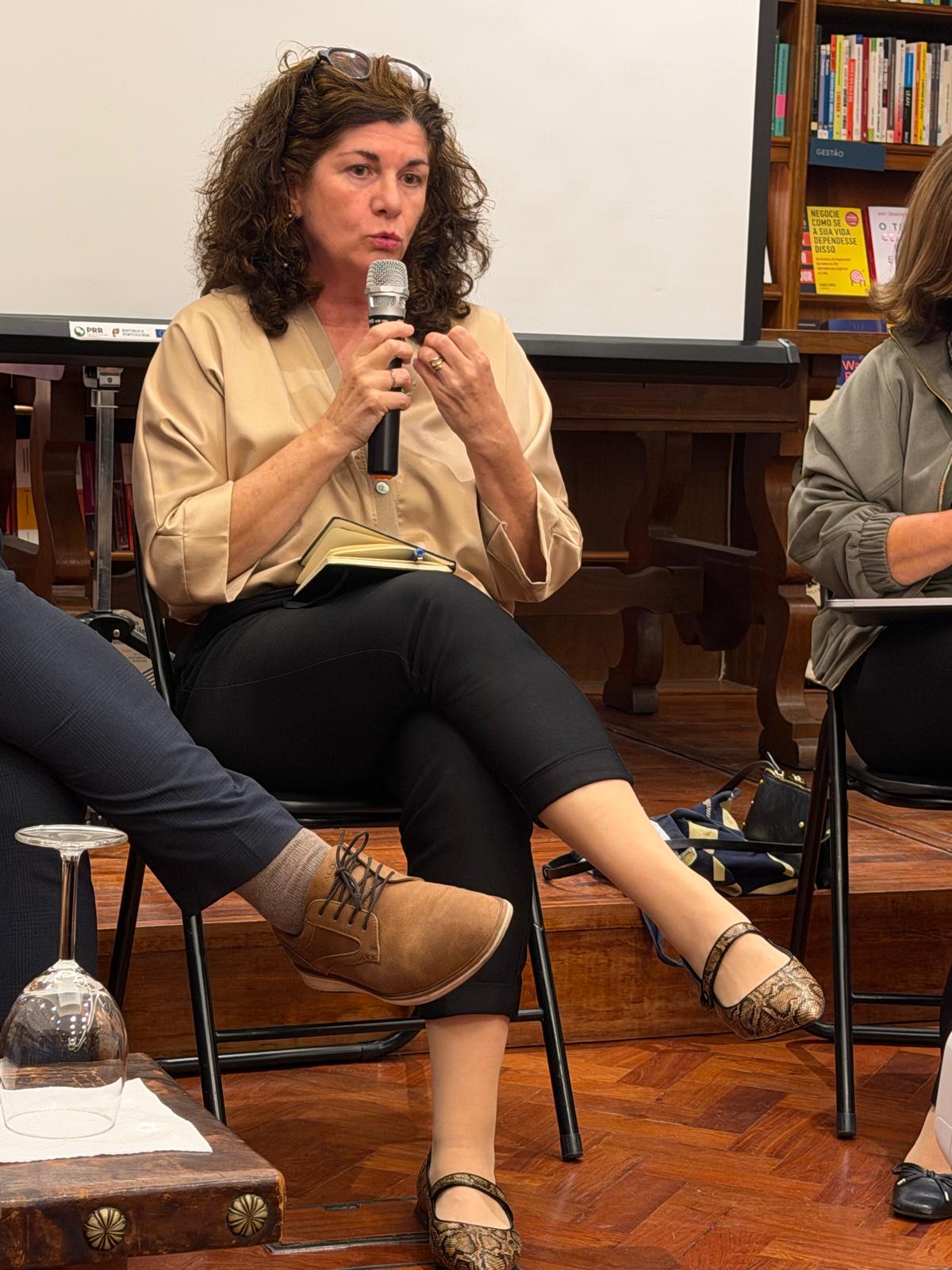
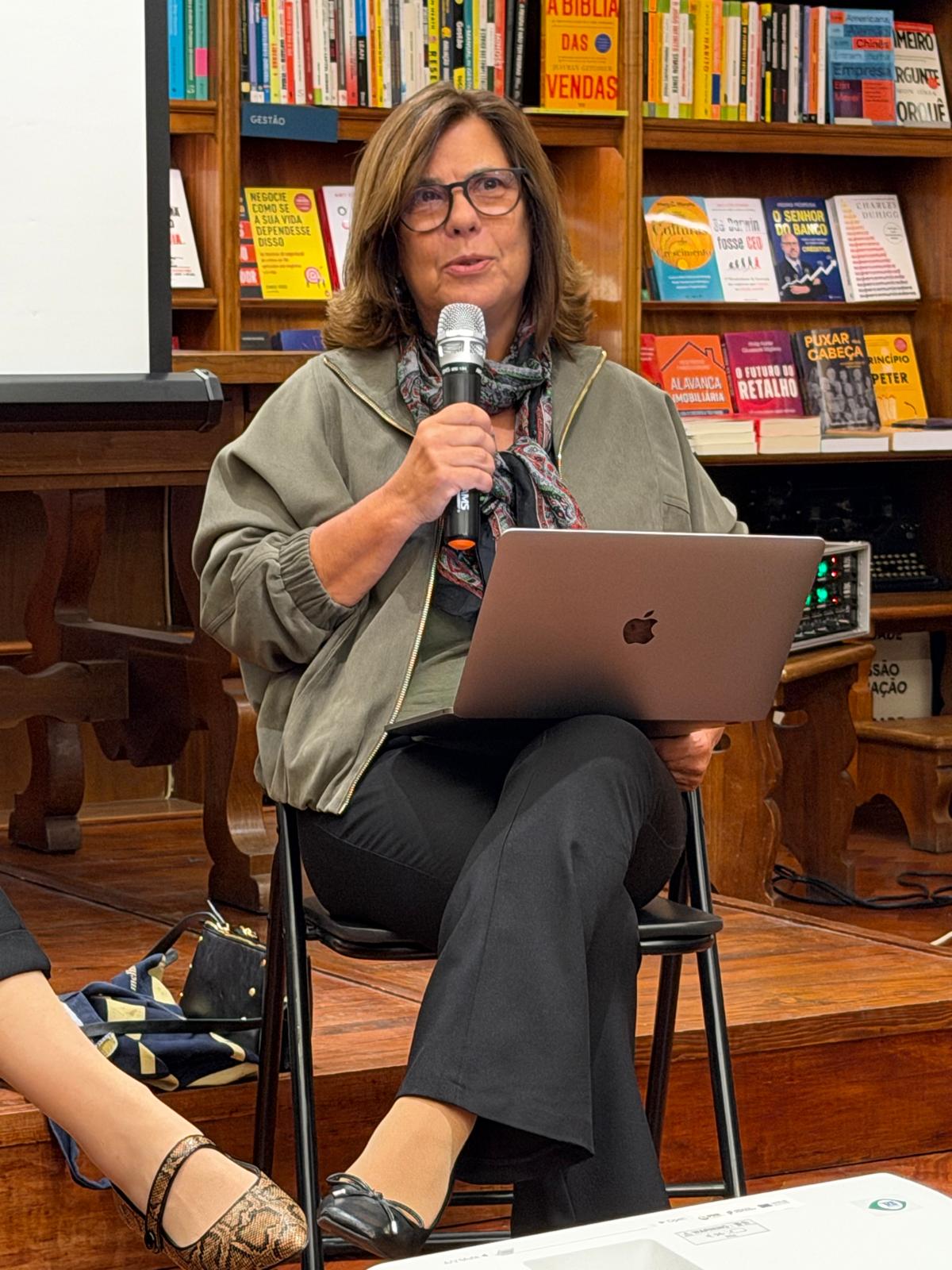
Sociologist Paula Campos Pinto, Associate Professor at the Institute of Social and Political Sciences of the University of Lisbon and Coordinator of the Observatory on Disability and Human Rights, highlighted several factors contributing to the limited protection afforded to persons with disabilities. She first noted that society had been slow to recognise this reality, leaving families to bear much of the financial and emotional burden of support and, consequently, limiting the State's involvement in promoting inclusion. She considered the statutory employment quota system insufficient for two reasons. Firstly, because the Portuguese business landscape is largely made up of micro and small enterprises, which fall outside its scope; secondly, because many companies meet their quotas by counting employees who were already part of their workforce before acquiring a disability. She also drew attention to the lack of awareness among both employees and employers regarding the rights at stake, as well as the limited involvement of trade unions in this area.
Cristina Martins da Cruz, a Judge at the Lisbon Court of Appeal, highlighted the scarcity of case law in Portugal concerning workplace accommodation and the protection of workers with disabilities, despite the importance of the subject. She also presented several cases illustrating the labour-law implications of these issues.
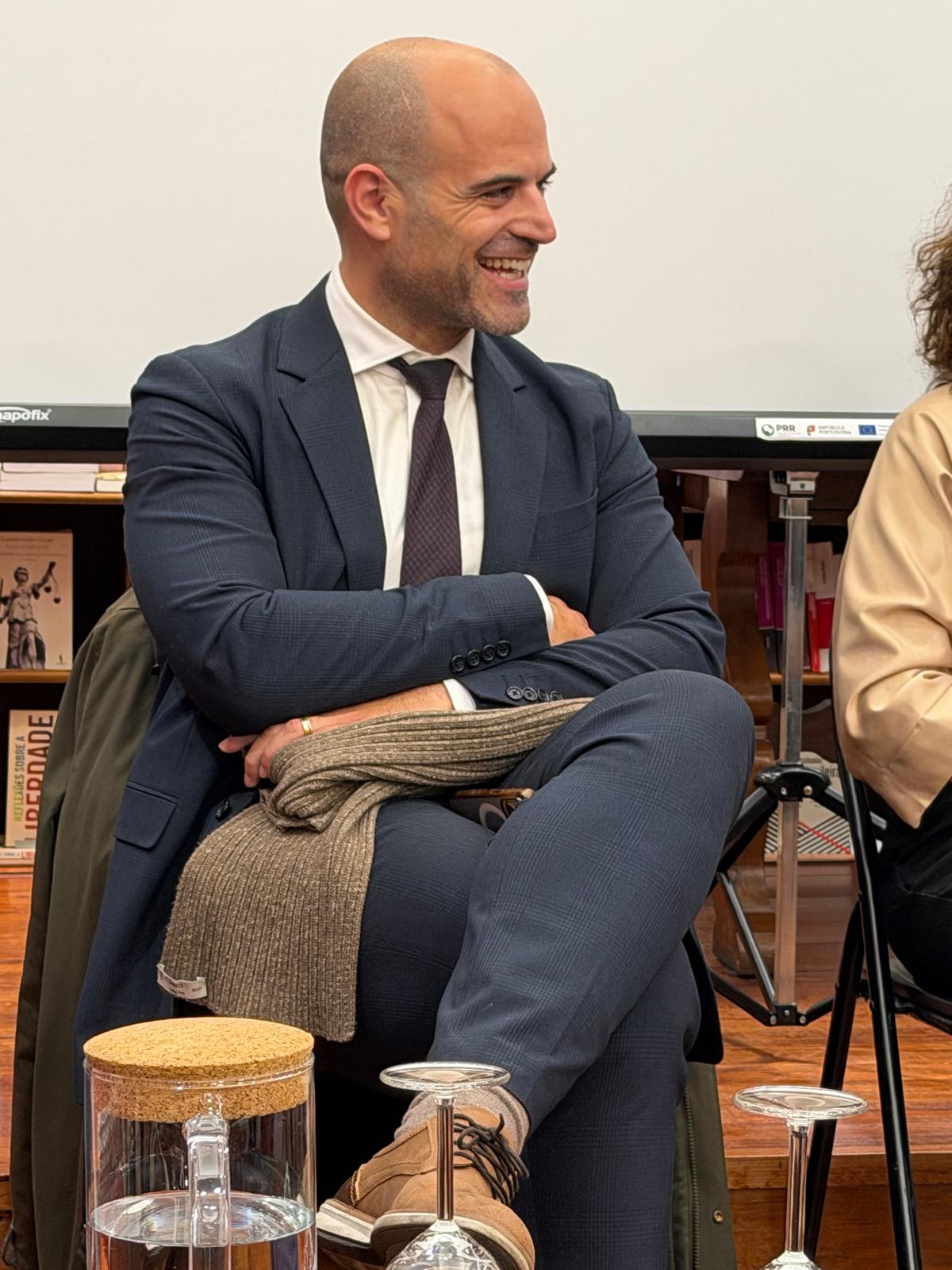
Bruno Santos, Director-General of the Directorate-General for Administration and Public Employment (DGAEP), emphasised the importance of the event and acknowledged that this remains a relatively unexplored area within public administration. He also challenged the author, Joana Neto, to contribute to DGAEP's training activities on the subject.
Following the speakers' presentations, the floor was opened to the audience for discussion, with particular attention being paid to the recent case involving Accenture. For those unfamiliar with the company, Accenture is a multinational corporation headquartered in Dublin, Ireland, with subsidiaries and offices around the world. Its Portuguese branch was subject to an inspection by the Authority for Working Conditions (ACT), following the suspension of the employment contracts of approximately 100 workers. The suspensions followed medical reports which had deemed the employees fit for work, albeit subject to certain restrictions. The CESP – Trade Union of Commerce, Office and Services Workers – brought the matter to public attention, describing the situation as a “covert dismissal” and alleging a breach of the rules on workplace accommodation, which apply to all workers. The company, however, maintains that it acted in accordance with the legislation in force.
The discussion highlighted a significant lack of awareness regarding reasonable workplace accommodation and labour inclusion, among both employees and employers, compounded by the limited role played by trade unions in advocating for these rights. The scarcity of case law, already identified by the Judge at the Lisbon Court of Appeal, was also reiterated. One particularly recent example is the judgment delivered by the Lisbon Court of Appeal on 4 November 2026 (available here).
The event was supported by the Francisco Suárez Centre for Advanced Legal Studies (CEAD), which hosts the Employment and Inclusion Project. Disability and Illness in Society 5.0 – E&I, coordinated by the researcher and author of the book. Several members of the research team were involved in the event, with Cristina Martins da Cruz participating in the panel and Cristina Nogueira da Silva, João Zenha Martins and Elisabete Ramos attending the event.
The organisers also acknowledged the physical accessibility barriers presented by the venue. In response, the author expressed her commitment to organising further discussions on this subject in other venues, thereby helping to raise public awareness of disability-related issues and promote a more inclusive society.